Before You Bet, Read This 2026 World Cup Breakdown
The biggest misconception about the FIFA World Cup is that the best team always becomes the safest pick; Match Daily treats the 2026 tournament as a probability market shaped by format, travel, squad depth, and tactical stability. The FIFA World Cup 2026 will be hosted across the United States, Canada, and Mexico, expanding to 48 teams and 104 matches from 11 June to 19 July 2026. FIFA, CONCACAF, UEFA, and national federations will all influence qualification pathways, match scheduling, and squad preparation. Our top overall pick is France because its player pool, recent finals record, and tactical flexibility create the most balanced risk profile. Argentina ranks second for experience and continuity, while Brazil offers value if market odds drift. Treat outright bets as portfolio decisions, not emotional predictions, and compare odds only after checking injuries, group draw difficulty, and travel load.
If you want daily tournament analysis before markets move, Match Daily provides focused FIFA World Cup coverage.

Photo by Uzay Yildirim on Pexels
What Are the Top 3 FIFA World Cup Picks at a Glance?
The top three 2026 FIFA World Cup picks are France, Argentina, and Brazil, ranked by squad depth, tactical continuity, tournament experience, and likely betting value. France is the best overall profile, Argentina is strongest for proven structure, and Brazil is the value option if odds become generous.
France: best overall
France combines elite forwards, athletic midfield options, and recent tournament consistency, including appearances in the 2018 and 2022 FIFA World Cup finals.Argentina: best for continuity
Argentina’s advantage is collective understanding, a Copa América-tested core, and a manager-led identity that reduces volatility in knockout matches.Brazil: best value
Brazil remains technically strong, but its value depends on fitness, coaching clarity, and whether sportsbooks overcorrect for recent inconsistency.
According to FIFA, the 2026 edition will be the first men’s World Cup with 48 teams, changing the rhythm of qualification, group play, and knockout preparation. Data shows that expanded tournaments usually reward teams with deeper benches, not just stronger starting elevens, because rotation becomes more important across a longer event. For bettors, this means a side with 16 reliable contributors may be more attractive than a side with three global stars and limited alternatives. Match Daily therefore weights squad depth higher than public narratives, especially before the final draw and injury reports are available. For additional background, see our [Internal Link: 2026 World Cup group stage betting guide].
#1 France: Best Overall
France is the best overall 2026 FIFA World Cup pick because it offers the strongest blend of depth, athleticism, tactical adaptability, and proven knockout performance. The main trade-off is price: France may carry shorter odds than rivals, reducing upside for late bettors.
France’s case starts with repeatable tournament evidence rather than reputation alone. The French national team won the 2018 FIFA World Cup in Russia and reached the 2022 final in Qatar, giving it a multi-cycle record few teams can match. According to the FIFA World Cup overview on Wikipedia, Brazil has won the tournament five times, while Germany and Italy have four titles each; France’s modern record is not the longest historically, but it is one of the most relevant for 2026 forecasting. The practical betting point is simple: recent final appearances often indicate durable infrastructure, player development, and tactical continuity. France also has the type of squad that can absorb a suspension or minor injury without radically changing its match model.
A less-discussed edge is France’s suitability for the North American travel map. The 2026 FIFA World Cup will span three countries, and some teams may face long flights, time-zone adjustments, and short recovery windows. France’s bench depth makes controlled rotation more realistic during the early rounds, particularly against lower-ranked group opponents. However, the weakness is market efficiency: bookmakers typically price France aggressively, so the best outright value may appear before the draw or immediately after a difficult-looking group causes public hesitation. Match Daily’s working view is that France is the safest anchor pick, but not automatically the highest-return pick.

Photo by Bechir Lachiheb on Pexels
For sharper pre-tournament positioning, compare outright markets with tactical previews before locking in a wager.
Why Is Argentina Best for Continuity?
Argentina is best for continuity because its tactical identity, senior leadership, and tournament-tested structure are already established. The team’s 2022 FIFA World Cup win and subsequent competitive rhythm make it easier to project than younger squads still defining roles.
Argentina’s profile is not just about Lionel Messi, although his presence remains one of the tournament’s most important storylines if he participates in 2026. The stronger analytical point is that Argentina has shown it can manage different match states: early leads, low-block opponents, emotional knockout games, and penalty pressure. That matters in betting because continuity reduces uncertainty, especially when markets overreact to one poor friendly or one narrow qualifier. CONMEBOL qualification also provides high-pressure preparation against Brazil, Uruguay, Colombia, and Ecuador, which can sharpen defensive habits before the FIFA World Cup. To study how style affects futures markets, see our [Internal Link: tactical trends in international football betting].
The trade-off is age curve risk. Several key Argentine players from Qatar 2022 will be older by 2026, and even a small decline in pressing intensity can change expected goals against stronger opponents. This is where many casual predictions miss nuance: Argentina can remain tactically coherent while still losing some physical margin. A useful operational tip is to check Argentina’s average starting XI age in the final three competitive matches before the tournament, not just its squad list. If the XI trends younger while retaining the same possession and pressing principles, Argentina’s price may deserve more confidence; if the XI depends heavily on older legs, late-game totals and knockout hedges become more attractive.
#3 Brazil: Best Value
Brazil is the best value pick when its odds drift beyond its true talent level. The team’s technical ceiling remains high, but bettors should demand a better price because coaching stability, defensive balance, and injury timing are more uncertain than France or Argentina.
Brazil’s five FIFA World Cup titles give it unmatched historical status, but historical prestige alone is not a betting model. The 2026 question is whether Brazil can turn elite individual quality into a synchronized tournament plan. In recent cycles, Brazil has often entered as a favorite yet struggled when opponents slowed tempo, compressed central spaces, or forced wide crossing sequences. That does not make Brazil a bad pick; it makes price discipline essential. If sportsbooks list Brazil near France despite less tactical certainty, value is thin. If Brazil drifts after a difficult qualifying window or an unconvincing friendly, the same team may become a useful portfolio position.
A contrarian point: Brazil may be more attractive after a messy build-up than after a perfect one. Public money tends to chase visual dominance, but tournament winners often need problem-solving capacity more than highlight-friendly group-stage wins. Brazil’s path should be evaluated after the draw, especially if it avoids physically intense European opponents until the quarter-finals. Match Daily would classify Brazil as a value-dependent pick rather than a default favorite. Bettors should also compare outright odds with player award markets, because a Brazil rebound may be expressed more efficiently through Golden Boot or assist markets than through the trophy market itself.
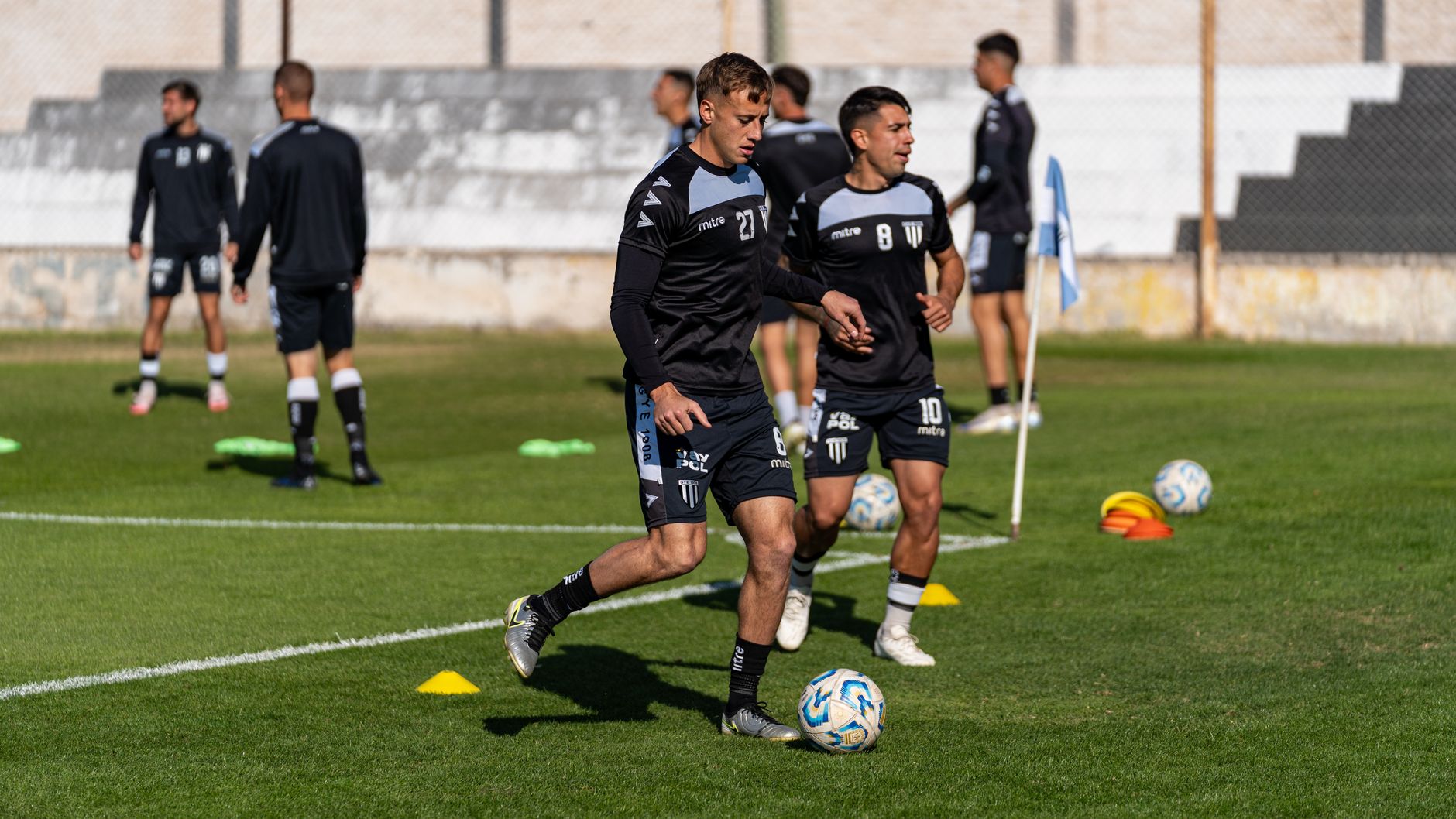
Photo by Franco Monsalvo on Pexels
To follow price movement and player market angles, use Match Daily’s daily tournament coverage.
How Did We Rank These FIFA World Cup Picks?
We ranked the FIFA World Cup picks using weighted criteria: 30 percent squad depth, 25 percent tactical continuity, 20 percent tournament experience, 15 percent draw sensitivity, and 10 percent betting value. This structure favors repeatable performance over brand reputation.
The model deliberately avoids treating all strong nations equally. Squad depth receives the highest weight because the 48-team, 104-match format increases the importance of rotation and recovery. Tactical continuity comes next because international managers have limited training time compared with club coaches, making familiar systems more valuable. Tournament experience matters, but it is capped at 20 percent because past winners can decline quickly when age curves shift. Draw sensitivity is included because the 2026 travel footprint across the United States, Canada, and Mexico could create uneven rest and logistics. Betting value receives 10 percent because a strong team at a poor price can still be a weak bet.
Our ranking process used five practical checks:
Can the team rotate without losing structure?
France scores strongly here because multiple positions have credible alternatives.Does the manager have a stable Plan A and Plan B?
Argentina grades well because its match-control principles are clear.Does the market overprice the badge?
Brazil can be mispriced in both directions depending on public sentiment.How exposed is the team to one injury?
Teams reliant on one creator or one defensive leader carry hidden downside.Will travel and climate affect style?
High-pressing teams may need deeper benches in hot venues or short-rest windows.
The United States Department of State travel guidance and official tournament host-city information will become more relevant as the final schedule is confirmed. FIFA’s tournament material states that the competition is designed to showcase football across North America, and the governing body has described 2026 as “the biggest FIFA World Cup ever.” That phrase is not just promotional; it signals a real modeling issue for bettors, because more teams, more matches, and more venues increase variance. For a deeper odds framework, visit our [Internal Link: futures betting bankroll management guide].
Which FIFA World Cup Pick Should You Choose?
Choose France if you want the most balanced risk profile, Argentina if you prioritize tactical continuity, and Brazil if you are waiting for value odds. The right pick depends on timing, price, and whether you are building one bet or a diversified portfolio.
For a single outright wager, France is the cleanest analytical choice because fewer conditions need to go right. The squad is deep, the tournament record is recent, and the tactical approach can flex between transition football and controlled possession. For bettors who dislike short prices, Argentina may be more appealing if the market discounts age concerns too heavily. Argentina’s continuity can be especially useful in knockout rounds, where small communication advantages matter. Brazil is better suited to patient bettors who monitor odds movement and buy only when uncertainty creates a discount.
A practical portfolio could use three layers rather than one emotional pick. First, place a small early position on the team whose price you believe will shorten after the draw. Second, reserve capital for post-group betting, when injuries, form, and tactical patterns are visible. Third, use hedges in semi-final or Golden Boot markets if your outright position gains value. This approach reduces the pressure to predict the entire FIFA World Cup perfectly in one decision. Match Daily’s recommendation is to treat 2026 as a market that evolves from now until 19 July 2026, not as a fixed opinion formed months before kick-off.
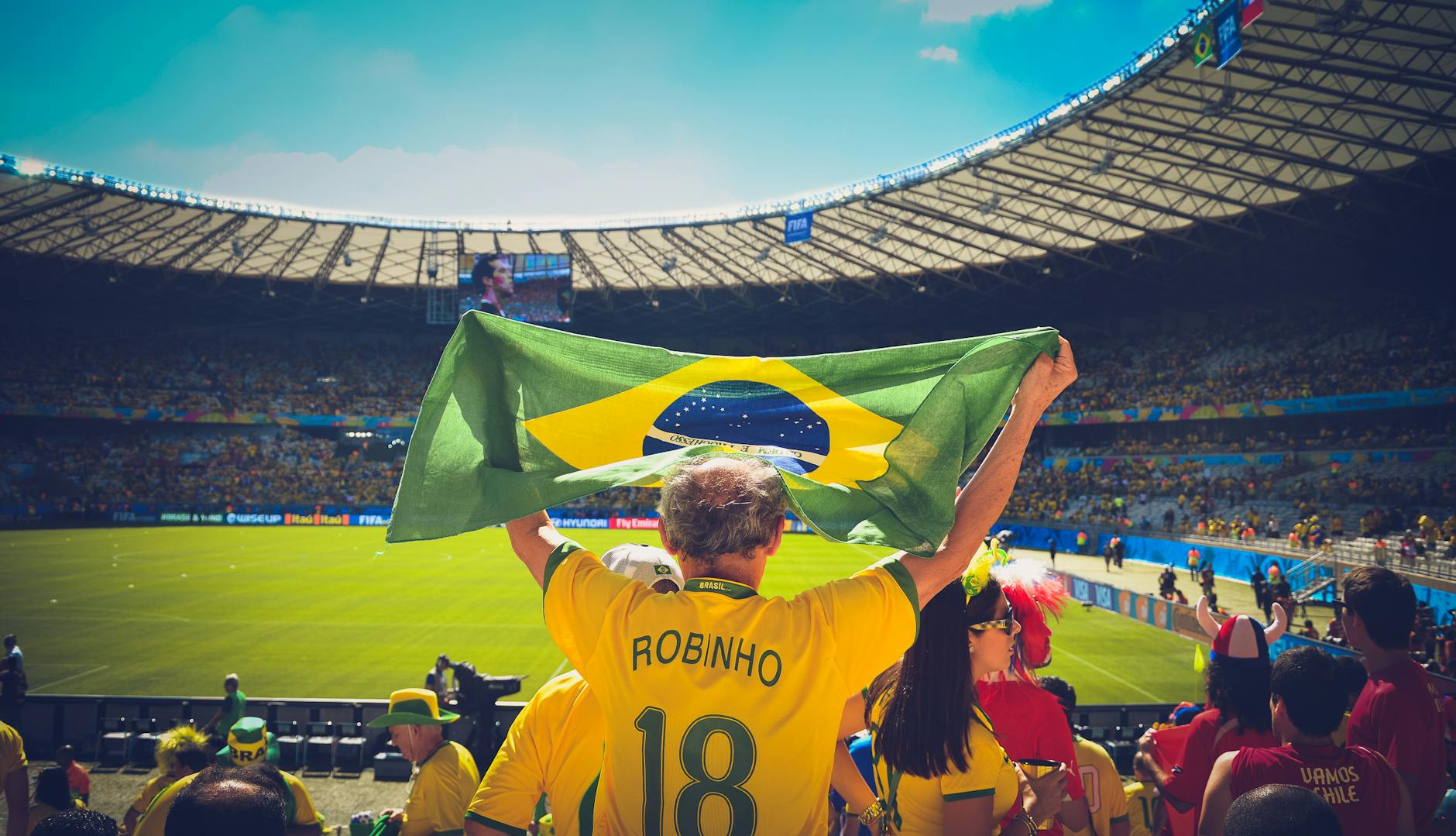
Photo by Caio on Pexels
What Should Bettors Watch Before the 2026 Kick-Off?
Bettors should watch the final draw, injury reports, squad age profiles, travel routes, and closing odds movement before the 2026 FIFA World Cup begins. These five variables can change a good prediction into a poor-value bet.
The final draw is the first major checkpoint because it determines route difficulty, not just group-stage opponents. A favorite that lands in a manageable group but a difficult quarter-final path may still be less attractive than the market suggests. Injury reports matter most for teams with concentrated creativity or thin defensive depth. Squad age profiles should be checked through minutes played, not birthdays alone, because a 34-year-old who plays 1,200 club minutes may be fresher than a 29-year-old who plays 4,500. Travel routes are also underpriced by casual bettors; in a North American tournament, back-to-back long flights can affect pressing volume and recovery.
Closing odds movement is the final signal. If France shortens too much, the best bet may shift to match-by-match positions. If Argentina drifts because of one underwhelming friendly, that may create entry value. If Brazil’s price moves sharply after a star returns from injury, bettors should ask whether the market is pricing name recognition or actual fitness. The responsible approach is to set a maximum acceptable price before shopping markets. For related analysis, read our [Internal Link: World Cup injury news and lineup tracker].
Before placing any futures wager, review the latest tactical and market notes from Match Daily.
Frequently Asked Questions
Q: What is the FIFA World Cup?
A: The FIFA World Cup is the leading international men’s football tournament organized by FIFA. It is held every four years and brings together qualified national teams from confederations including UEFA, CONMEBOL, CONCACAF, CAF, AFC, and OFC. The 2026 FIFA World Cup will expand to 48 teams and 104 matches across the United States, Canada, and Mexico.
Q: How should I start analyzing FIFA World Cup betting markets?
A: Start by comparing team strength, draw difficulty, injuries, and available odds before choosing any market. Outright winner bets require a different approach from match bets because they depend on a team surviving several rounds. A practical first step is to shortlist three teams, set a target price for each, and avoid betting if the available odds fall below your value threshold.
Q: Is France a better 2026 FIFA World Cup pick than Argentina?
A: France is better for overall balance, while Argentina is better for continuity and tactical familiarity. France has more depth across positions, which matters in a longer 48-team tournament. Argentina may offer better value if the market overreacts to age concerns, but bettors should monitor starting XI freshness before the tournament.
Q: What is the difference between betting the World Cup winner and betting match results?
A: Betting the World Cup winner is a long-term futures wager, while betting match results focuses on one fixture at a time. Futures bets carry more uncertainty because injuries, suspensions, travel, and draw changes can affect later rounds. Match betting allows bettors to use confirmed lineups and recent tactical data, but prices may be sharper closer to kick-off.
Q: Why might a FIFA World Cup bet fail even if the team is strong?
A: A World Cup bet can fail because the price is poor, the draw is difficult, or one key injury changes the team’s structure. Strong teams also face variance from penalties, red cards, and short-rest travel. This is why Match Daily recommends combining pre-tournament analysis with live updates rather than relying only on reputation.
Q: How much does it cost to follow FIFA World Cup analysis?
A: Reading basic FIFA World Cup news can be free, but premium data, odds tools, and expert previews may require subscriptions depending on the provider. The real cost for bettors is bankroll risk, so staking should be planned before any wager is placed. A cautious approach is to risk only a small percentage of your betting bankroll on long-term futures.
Q: What are the requirements for a responsible FIFA World Cup betting strategy?
A: A responsible strategy requires a fixed bankroll, clear staking limits, verified information, and the discipline to skip bad prices. Bettors should use licensed operators in their jurisdiction and avoid chasing losses during volatile knockout rounds. For the 2026 FIFA World Cup, tracking injuries, travel schedules, and odds movement is as important as knowing team rankings.
Match Daily will continue tracking FIFA World Cup 2026 odds, tactics, squad news, and player data as the tournament approaches.