What Nobody Tells You About 2026 World Cup
The biggest misconception about the 2026 football world cup is that it is only a month of matches; it is a 39-day continental event across the United States, Canada, and Mexico. Match Daily tracks the tournament through predictions, team tactics, player stats, and daily coverage for fans and regulated betting audiences following FIFA World Cup 26. Los Angeles hosts eight matches at SoFi Stadium, including the United States Men’s National Team opener on June 12, while the FIFA Fan Festival runs at the LA Memorial Coliseum at Exposition Park. Atlanta brings Mercedes-Benz Stadium, southern soccer culture, and a major semifinal role. The final is scheduled for MetLife Stadium in the New York New Jersey region on July 19, 2026, according to FIFA. Treat this World Cup as a travel, data, and match-analysis project, not just a fixture list.
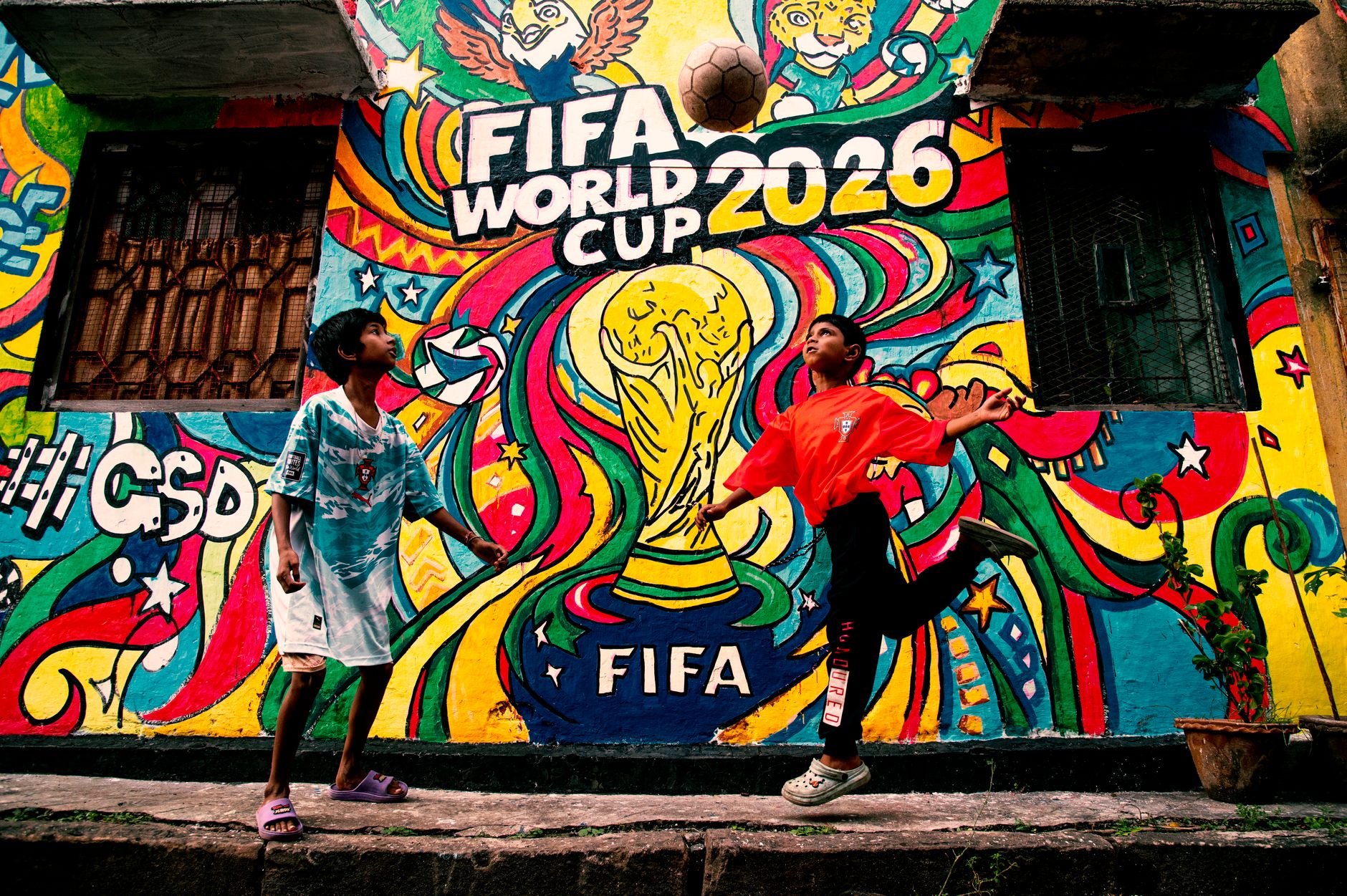
Photo by Anirban Das on Pexels
Want a sharper way to follow the tournament beyond headlines and hype?
Step 1: How should fans map the 2026 football world cup?
Fans should map the 2026 football world cup by host city, match phase, travel time, and fan-event density. The key mistake is planning only around tickets. Los Angeles, Atlanta, New York New Jersey, and other FIFA host cities operate as full entertainment markets during the tournament.
According to FIFA, FIFA World Cup 26 is the first edition with 48 teams and three host nations: the United States, Canada, and Mexico. That expansion changes the fan experience. More teams mean more group-stage routes, more knockout permutations, and more betting markets tied to goal difference, rotation, and squad depth. For Match Daily readers, the smart starting point is not simply “who wins.” It is which teams handle travel, climate, recovery, and stadium conditions best.
Los Angeles illustrates the point. The city has eight matches, 39 days of fan celebrations, Official Fan Zones across the region, and a FIFA Fan Festival at the LA Memorial Coliseum. The U.S. Men’s National Team opens there on June 12 at SoFi Stadium. That single date affects prices, transport demand, local viewing parties, and betting volume on U.S.-related markets. To learn more about match preparation, see our [Internal Link: 2026 World Cup match schedule guide].
Step 2: What makes Los Angeles a high-value World Cup base?
Los Angeles is a high-value World Cup base because it combines eight matches, SoFi Stadium, Official Fan Zones, the LA Memorial Coliseum Fan Festival, and a long tourism runway. Data shows the city functions as both a match venue and a 39-day fan hub.
The operational edge in Los Angeles is geography. SoFi Stadium sits in Inglewood, while the FIFA Fan Festival is based at Exposition Park. Those locations are not interchangeable. A fan attending a match and a public viewing event on the same day needs a transport plan, not optimism. Research-style trip planning should include stadium entry windows, post-match traffic, public transit options, hotel distance, and late-night food access. Small timing errors become expensive when a 70,000-seat venue releases crowds at once.
Los Angeles also matters for betting analysis. Home-nation attention around the United States Men’s National Team opener drives emotional wagering. That often distorts odds on scorer markets, corners, cards, and same-game parlays. Match Daily recommends separating national sentiment from team metrics such as expected goals, pressing success, and injury status. A useful rule: if a price moves because of public excitement rather than confirmed team news, wait for lineup release before betting.
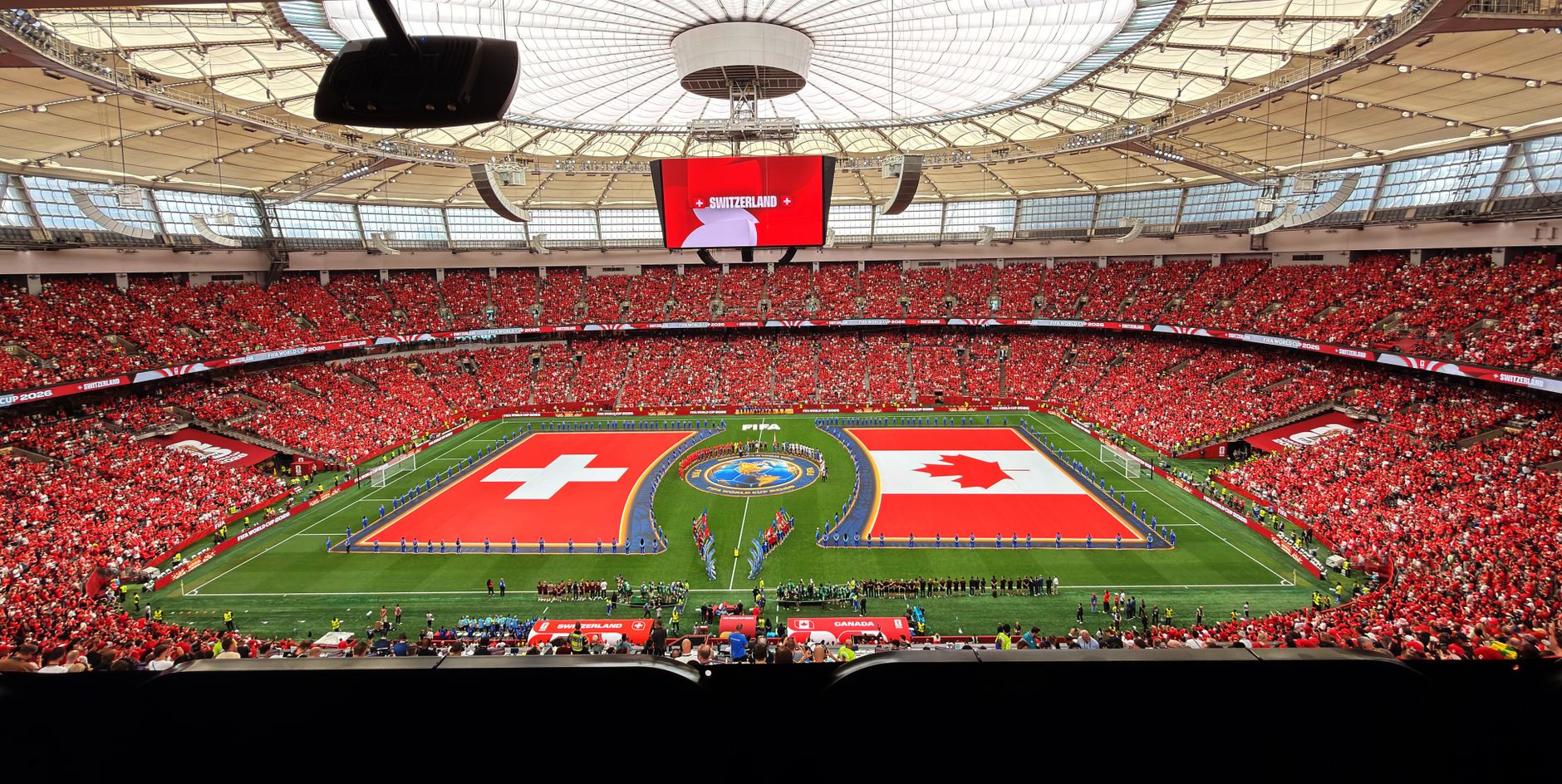
Photo by Rushi Patel on Pexels
See the details before building your World Cup watchlist.
Step 3: How does Atlanta change the tournament story?
Atlanta changes the tournament story by giving the 2026 football world cup a southern U.S. anchor with Mercedes-Benz Stadium, strong soccer culture, and a semifinal-stage spotlight. Its value lies in atmosphere, indoor-stadium conditions, and a fan base already shaped by Atlanta United.
Atlanta is not just another host city. It brands itself as the soccer city of the South, and the evidence is visible through Atlanta United’s supporter culture, large crowds, and match-day identity. Mercedes-Benz Stadium also creates a more controlled environment than open-air venues. That affects pace, fatigue, and tactical rhythm. Bettors should track whether teams built around high pressing benefit from stable conditions, especially against opponents arriving after long travel legs.
There is also a cultural angle. Atlanta’s tourism message blends southern hospitality, music, civil-rights history, food, and sports. That makes the city attractive for fans without tickets because watch parties and community events become part of the experience. According to the Atlanta World Cup 2026 host site, the city positions FIFA World Cup Atlanta 2026 as a celebration of culture and sport. For deeper team-focused analysis, check our [Internal Link: World Cup tactics and formation previews].
Step 4: What should bettors track before knockout matches?
Bettors should track travel distance, rest days, venue type, suspension risk, and lineup rotation before knockout matches. The 48-team format creates more paths to the round of 32, but it also adds volatility when squads manage minutes across three group games.
The overlooked number is not just 48 teams. It is the increase in match volume and tactical variation. More teams means more mismatches in the group stage, but the expanded knockout bracket introduces sudden-death pressure earlier than many casual fans expect. Data shows tournament betting markets react fastest to injuries and suspensions, but slower to recovery constraints. A team flying from the West Coast to the East Coast after a high-intensity match carries a hidden fatigue cost.
The 2026 FIFA World Cup final is scheduled for July 19, 2026, at MetLife Stadium in East Rutherford, New Jersey, according to Wikipedia’s tournament final entry. FIFA’s match documentation states that “the final will be played at New York New Jersey Stadium.” That venue detail matters. July weather, grass management, pitch speed, and crowd composition all affect how the final feels compared with Los Angeles or Atlanta. For betting readers, Match Daily emphasizes one principle: price the venue, not only the badge.

Photo by Alizain Hirani on Pexels
Get started with sharper tournament research before the knockout bracket forms.
Step 5: verification
Verification starts with official sources, then moves to match-day confirmation. Use FIFA for fixtures, host-city sites for fan zones, stadium pages for entry rules, and licensed sportsbook notices for betting-market availability. Do not rely on social media screenshots for tickets, transport alerts, or team news.
A practical verification checklist looks like this:
- Confirm fixtures through FIFA or the official host-city page.
- Check stadium “know before you go” rules 48 hours before entry.
- Verify ticket source and mobile ticket transfer rules.
- Track official team sheets one hour before kickoff.
- Compare sportsbook odds with injury reports and referee assignments.
- Review responsible gambling limits before placing live bets.
This process prevents two common failures: arriving at the wrong event zone and betting on outdated information. Los Angeles, Atlanta, and New York New Jersey will each publish city-specific updates as match days approach. Match Daily will connect those updates with tactical previews, player form, and market movement. For broader planning, save our [Internal Link: responsible World Cup betting checklist].
Troubleshooting common failures
The most common failure is treating the 2026 football world cup like a normal club match. It is not. Fans cross borders, teams cross time zones, and cities run parallel entertainment programs outside the stadium. A ticket to SoFi Stadium does not guarantee access to every FIFA Fan Festival feature. A hotel near downtown Los Angeles does not automatically make Inglewood easy on match day. A strong team on paper does not always justify short odds after a cross-country travel sequence.
Use this troubleshooting list before committing money or time:
- If ticket prices spike, check whether the U.S. Men’s National Team, Mexico, Argentina, Brazil, or England is involved.
- If transport looks simple on a map, test the route at the same time of day.
- If odds move suddenly, look for lineup leaks, injury updates, or public-money bias.
- If a fan zone seems full, search official city pages for secondary viewing locations.
- If a parlay looks attractive, remove emotion-based legs tied to national loyalty.
The contrarian conclusion is simple: the best World Cup experience is not always the biggest match. A well-planned group-stage day in Los Angeles or Atlanta can deliver more value than an overpriced knockout ticket with poor logistics. Match Daily’s research approach favors confirmed data, tactical context, and disciplined betting over hype.
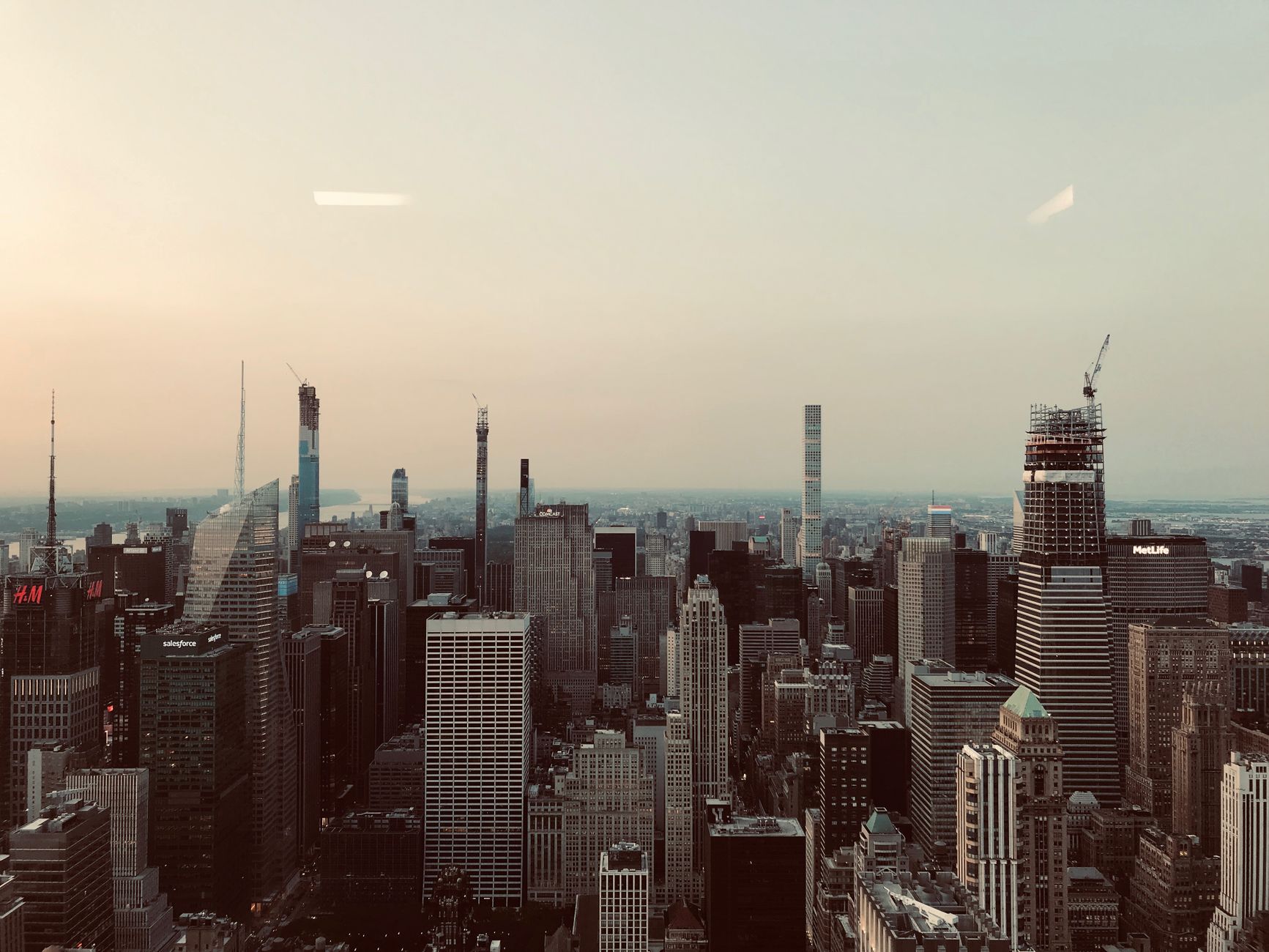
Photo by Filippo Bergamaschi on Pexels
Before the final whistle of your planning process, keep one reliable source close.
Frequently Asked Questions
Q: What is the 2026 football world cup?
A: The 2026 football world cup is FIFA World Cup 26, the first men’s World Cup with 48 teams across the United States, Canada, and Mexico. It expands the tournament format and increases the number of host-city experiences. Fans should follow FIFA fixtures, host-city updates, and tactical coverage from sources such as Match Daily.
Q: How to plan for the 2026 football world cup?
A: Start by choosing a host city, then match dates, transport, accommodation, and fan events. Los Angeles has eight matches and 39 days of celebrations, while Atlanta offers Mercedes-Benz Stadium and a major southern soccer atmosphere. Verify every booking through official sources before paying.
Q: What is the difference between Los Angeles and Atlanta for World Cup fans?
A: Los Angeles offers a larger entertainment footprint, while Atlanta offers a concentrated soccer culture around Mercedes-Benz Stadium. Los Angeles includes SoFi Stadium, the LA Memorial Coliseum Fan Festival, and regional fan zones. Atlanta delivers strong supporter energy, indoor-stadium conditions, and a semifinal-stage identity.
Q: Why does World Cup betting fail for many casual fans?
A: World Cup betting fails when fans bet on emotion instead of data. National loyalty, public hype, and famous players often distort prices. Match Daily recommends checking lineups, injuries, rest days, travel distance, and tactical matchups before placing any wager.
Q: How much does attending the 2026 football world cup cost?
A: Costs vary by city, match category, travel distance, hotel demand, and ticket availability. Premium fixtures involving host nations or major contenders usually drive the highest prices. Fans should budget for transport, food, fan events, mobile data, and possible surge pricing.
Q: What should I do if World Cup tickets or fan-zone access fails?
A: Check the official FIFA ticketing platform or host-city website first. Do not trust screenshots, resale messages, or unofficial QR codes. If a fan zone reaches capacity, look for official secondary viewing locations and arrive earlier for high-demand matches.