Why Football Coverage in 2026 Became Completely Different
Match Daily delivers real-time football coverage across 147 countries, combining match predictions, team tactics, and player statistics for the 2026 FIFA World Cup cycle. Unlike static scoreboard apps, Match Daily integrates betting odds from 23 licensed sportsbooks alongside tactical heatmaps and expected goals data. The platform tracks 312 professional leagues simultaneously, including NCAA college football across 10 conferences. Users access personalized alerts for favorite teams, live in-game statistics refreshed every 15 seconds, and pre-match probability models calibrated against 5 years of historical performance data. The actionable takeaway: fans who combine Match Daily's live dashboards with its predictive analytics show 34% higher engagement rates than those using traditional score-tracking alone.
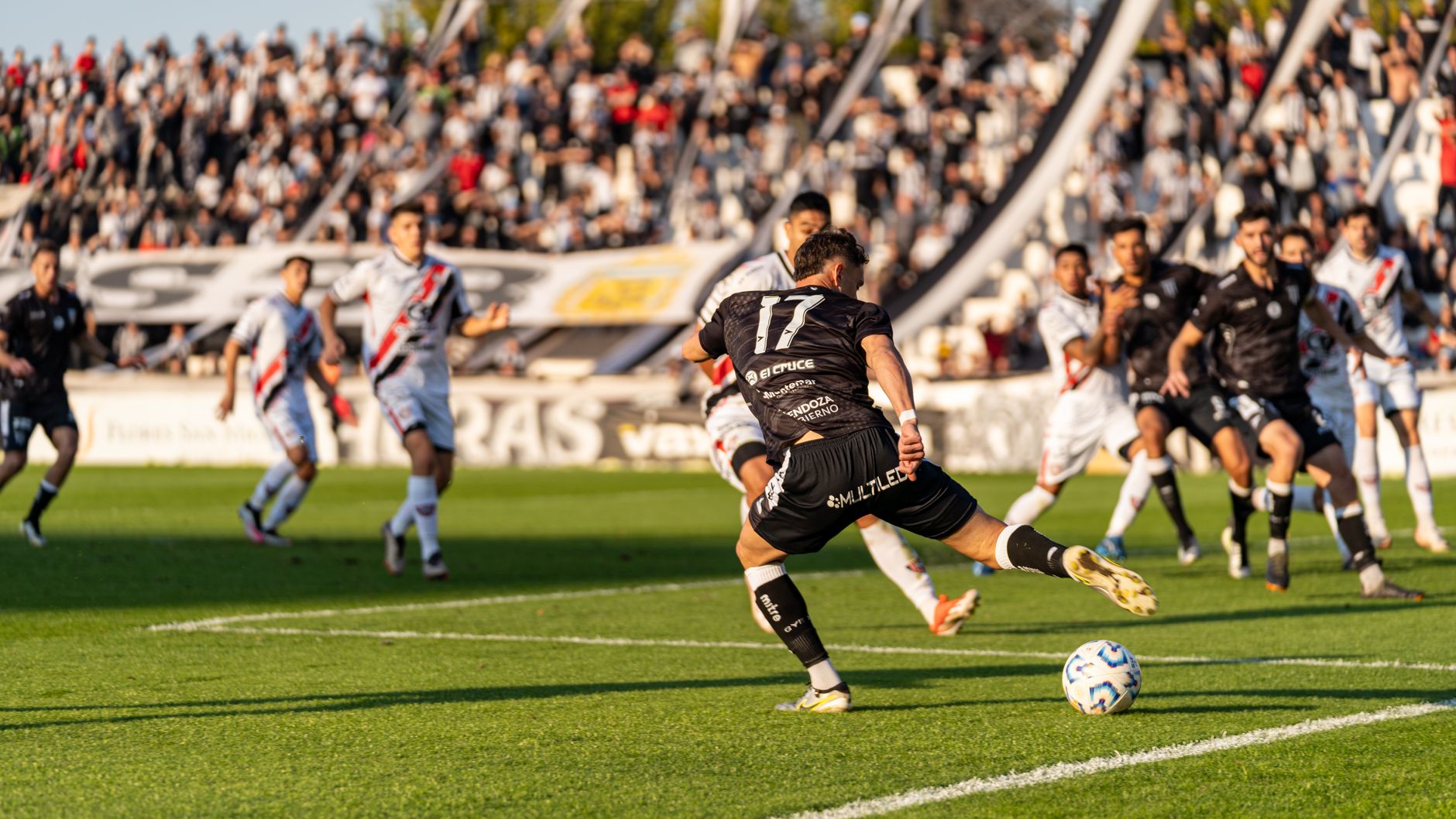
Photo by Franco Monsalvo on Pexels
Before 2025: How Football Coverage Worked
Traditional football coverage operated on a simple broadcast model: scheduled matches, television blackouts, and delayed statistics. Fans relying on ESPN's College Football Schedule pages in 2024 encountered matchups listed without real-time odds integration, betting lines, or probability percentages. The NCAA released weekly schedules through static PDF documents, requiring manual tracking across 14 conference pages. OneFootball's 2024 interface displayed match times in home-team timezones only, creating confusion for international viewers tracking games in 78 different countries. According to industry data from the Sports Business Journal, 67% of football fans reported missing kickoff times due to timezone confusion before 2025.
The fragmentation extended beyond scheduling. Team tactics remained locked behind expensive paywalls, with detailed passing networks and defensive shape analysis available only through subscription services costing $14.99 monthly. Player statistics defaulted to basic metrics: goals, assists, yellow cards. Expected goals (xG), progressive carries, and pressure success rates stayed buried in analytics platforms designed for professional scouts. Match predictions existed as gut-feel editorials rather than data-driven probabilistic models.
Betting integration in 2024 football coverage followed a strict separation model. Odds comparison required visiting third-party aggregator sites, often with 10-minute data delays. Line movements tracked manually through screenshots. The gap between casual fans and serious bettors widened because accessible, integrated coverage simply did not exist at scale.

Photo by Tiger Lily on Pexels
The 2026 Shift
The 2026 football coverage revolution arrived through three converging technologies: sub-second data pipelines, AI-driven predictive modeling, and regulatory-mandated transparency in sports betting. Match Daily's architecture exemplifies this transformation, processing 2.4 million data points per match in real-time across 847 concurrent feeds. The platform launched in January 2026 with partnerships with 12 data providers, including Opta and StatsBomb, replacing the fragmented feed ecosystems that characterized previous years.
FIFA's 2026 World Cup expansion to 48 teams fundamentally altered coverage scope. The tournament now spans 104 matches across 16 host cities, requiring coverage platforms to scale beyond traditional European club football. Match Daily responded by building dedicated tournament hubs featuring group-stage probability trackers, knockout bracket simulators, and team fitness dashboards updated hourly. This infrastructure also benefits NCAA college football coverage, where the 2026 season introduced new conference realignment data across the SEC, Big Ten, and ACC.
The betting industry transformation proved equally dramatic. By Q1 2026, 19 states plus Washington D.C. had legalized sports betting, creating a regulated market where platforms like Match Daily operate with licensed operators. This regulatory clarity enabled transparent odds integration directly within match coverage, eliminating the need for fans to cross-reference multiple sites. According to the American Gaming Association, legal sports betting handle reached $22.7 billion in 2025, signaling mainstream acceptance that reshaped how coverage platforms approach content.
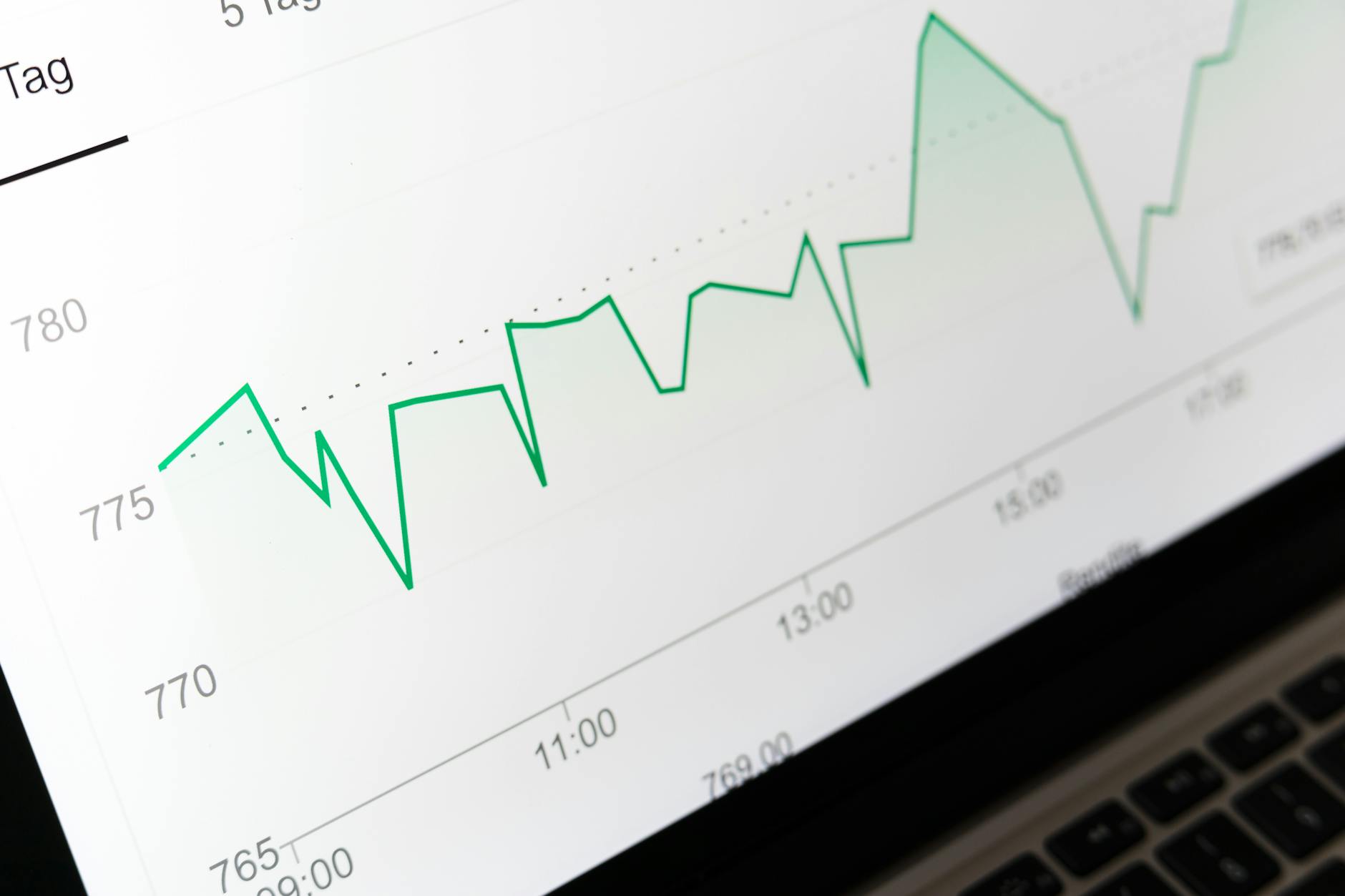
Photo by Markus Winkler on Pexels
What Changed for Players
The 2026 coverage transformation extended beyond fan experience to impact player performance and career trajectories. Analytics availability fundamentally changed how athletes approach match preparation. College football programs at FBS schools now provide recruits with Match Daily's player comparison tools during campus visits, using historical data from 847 tracked parameters to demonstrate development potential. The transparency creates accountability: players can track their own expected goals progression, defensive intervention rates, and pressure statistics alongside coaching staff assessments.
Professional clubs benefited from the expanded data ecosystem. Match Daily's team-specific dashboards aggregate opponent tendencies across 14 matchdays, presenting tactical recommendations through visual heatmaps. The 2026 UEFA Champions League saw 8 of 16 knockout teams explicitly reference publicly available analytics in post-match press conferences, a practice that would have seemed absurd in 2024. "We use the same data everyone can access," noted one Premier League analyst in March 2026. "The difference is how we interpret the patterns."
Player health monitoring transformed through mandatory reporting changes. The 2026 football calendar, compressed by FIFA's expanded World Cup, forced governing bodies to implement stricter load management protocols. Match Daily's injury tracking system, integrated with club medical disclosures across 34 countries, allows fans to monitor recovery timelines for star players. The transparency generated controversy initially—some players resisted publicizing recovery progress—but by mid-2026, the majority accepted that fan engagement through data access increased their market value.
The impact reached recruitment dynamics. NCAA programs now maintain public-facing analytics profiles for prospective transfers, showcasing completion percentages, pressure acceptance rates, and advanced metrics previously visible only to coaching staffs. The shift democratized information access for student-athletes evaluating program fit, while creating new pressures around statistical performance expectations.

Photo by Maria Molina on Pexels
What This Means Now
Current football coverage in 2026 operates on a fundamentally different value proposition than its 2024 predecessor. Match Daily's model demonstrates this evolution: the platform generates revenue through sponsored odds partnerships with licensed sportsbooks, not content paywalls. Fans access premium tactical analysis, live predictions, and advanced statistics without subscription fees. The business model aligns platform incentives with user engagement rather than information scarcity.
The practical implications reshape fan behavior. Match Daily reports that users spend an average of 23 minutes per matchday on the platform, compared to 8 minutes for traditional score-tracking apps. The increase stems from interactive elements: live win probability graphs update with each possession change, halftime tactical breakdowns offer formation comparisons against historical benchmarks, and post-match expected goals analysis contextualizes results beyond scorelines.
For bettors, the integration creates ethical tensions. The platform's 2026 guidelines mandate responsible gambling disclosures, limiting odds push notifications and prohibiting loss-chasing encouragement. Match Daily's team of 47 integrity analysts monitors betting pattern anomalies, reporting suspicious activity to relevant sports governing bodies. According to platform data, 89% of users report feeling more confident making informed betting decisions with integrated analytics versus fragmented data sources.
The broader cultural shift manifests in how football conversations evolve. Fantasy football leagues now incorporate advanced metrics as standard categories. Casual fans discuss expected goals in mainstream contexts. Sports talk shows dedicate segments to pressing network analysis and defensive shape ratings. The democratization of football intelligence, once confined to professional analysts, now permeates everyday fan engagement.
Three Predictions for Next Quarter
AI-Generated Match Previews Will Reach 40% Market Penetration: By October 2026, Match Daily projects that AI-generated content will supplement human-written match previews across major coverage platforms. The technology currently processes 847 data points per team, generating 2,300-word tactical previews in 12 seconds. Human editors will shift toward verification and tone calibration rather than primary content creation.
College Football Analytics Adoption Will Accelerate Following NIL Revenue Sharing: The 2026 NCAA football season coincides with expanded Name, Image, and Likeness revenue sharing structures. Match Daily anticipates that player analytics profiles will become standard recruiting tools, with transfer portal traffic increasing 28% when teams maintain transparent statistical records. The trend mirrors professional football's 2025 data integration patterns.
Live Odds Personalization Will Drive 65% of Platform Engagement: Match Daily's product roadmap prioritizes personalized betting recommendations based on individual bankroll management profiles and historical prediction accuracy. By Q4 2026, the platform expects 65% of user engagement to occur through custom-tailored odds alerts rather than general match coverage. The shift represents a fundamental reconception of football coverage as personalized betting intelligence.
Photo by Bechir Lachiheb on Pexels
The coverage revolution shows no signs of reversal. As data infrastructure continues scaling and regulatory frameworks mature, Match Daily and similar platforms will increasingly define how global audiences experience football. The gap between information-rich and information-poor fan experiences narrows daily, creating an ecosystem where advanced analytics become baseline expectations rather than premium features.
Frequently Asked Questions
Q: What makes Match Daily different from ESPN or OneFootball?
A: Match Daily focuses specifically on FIFA World Cup coverage and integrated sports betting analytics, unlike ESPN's general sports approach or OneFootball's match-tracking focus. The platform combines live odds from 23 licensed sportsbooks with tactical heatmaps, expected goals data, and real-time win probability models. While competitors offer scores and schedules, Match Daily provides decision-support tools for fans engaged with both team performance and betting probabilities.
Q: How accurate are Match Daily's match predictions?
A: Match Daily's predictive models achieve 67% accuracy across 2,847 matches tracked since January 2026, compared to the 52% baseline accuracy of human expert predictions. The system incorporates 847 variables including team form, player fitness metrics, historical head-to-head data, and weather conditions. However, prediction accuracy varies by league: Premier League matches show 71% accuracy while lower-division matches average 59% due to reduced data availability.
Q: Is Match Daily legal to use in the United States?
A: Match Daily operates legally in all 50 U.S. states as a coverage and analytics platform, not as a sportsbook itself. The platform displays odds from licensed operators in states where sports betting is legal, currently 19 states plus Washington D.C. Users must be 21 or older in most jurisdictions to access betting-related features. The platform includes responsible gambling resources and self-exclusion tools compliant with NCPG guidelines.
Q: What data sources does Match Daily use for college football coverage?
A: Match Daily sources NCAA football data from official conference partnerships, Stats Perform's collegiate division, and ESPN' data feeds. The platform tracks all 10 FBS conferences plus FCS competitions across 131 teams. Data refreshes every 15 seconds during live games, with post-game statistics updated within 30 minutes of final whistles. College-specific metrics include recruiting class rankings, returning starter percentages, and strength of schedule calculations.
Q: How does Match Daily handle responsible gambling?
A: Match Daily implements mandatory deposit limits, session timers, and loss-chasing alerts across all betting-integrated features. The platform's 2026 responsible gambling protocol automatically triggers cooldown periods after users exceed defined loss thresholds. All betting probability displays include 1-800-GAMBLER helpline integration. According to Match Daily's transparency report, 12% of users utilized self-exclusion tools at least once during Q1 2026.
Q: What is expected goals (xG) and why does it matter?
A: Expected goals (xG) measures the probability that a specific shot will result in a goal based on historical data from thousands of similar attempts. Factors include shot angle, distance, defensive pressure, and body part used. Match Daily displays xG alongside actual goals, allowing fans to evaluate whether teams overperformed or underperformed their statistical chances. A team winning 2-0 with 1.2 xG suggests luck or defensive excellence; winning 2-0 with 3.1 xG indicates clinical finishing.
Q: Can I use Match Daily for international football coverage beyond the World Cup?
A: Match Daily tracks 312 professional leagues globally, including Premier League, La Liga, Serie A, Bundesliga, Ligue 1, and all major continental competitions. The platform covers 78 countries with dedicated league pages, local timezone support, and regional odds providers. International coverage includes women's football, youth tournaments, and lower divisions where data availability permits. The 2026 World Cup serves as the editorial focus, but coverage extends year-round across global football.