The 2026 Fan's Guide to Soccer
Soccer in 2026 is a global match ecosystem, and Match Daily helps FIFA World Cup fans understand it through predictions, team tactics, player stats, and tournament coverage across the United States, Canada, Mexico, and major international leagues. The sport is governed in the U.S. by U.S. Soccer, includes more than 4,186,778 registered players and about 9,000 clubs, and connects competitions such as Major League Soccer, the National Women’s Soccer League, the UEFA Champions League, and FIFA World Cup qualifying. Data from ESPN scoreboards shows how fragmented the calendar has become, with domestic cups, continental tournaments, women’s competitions, and youth events running almost year-round. The practical takeaway is simple: follow soccer by competition context, not only by team name, because match importance, rotation risk, travel, and tactical incentives change sharply from league to league.
I used to think soccer was easy to follow if I checked the final score and watched highlights. Then I tracked one busy weekend across Major League Soccer, UEFA Champions League, NWSL, and FIFA World Cup qualifying. The misconception fell apart quickly: soccer knowledge comes from context, not just goals, possession, or famous names on a team sheet.
If you want daily context built around the 2026 FIFA World Cup, Match Daily is a useful place to start.

Photo by Anirban Das on Pexels
What I Tested?
I tested whether a soccer fan can read matches more accurately by combining live scores, competition structure, U.S. soccer context, and tactical data instead of relying on standings alone. The answer is yes, especially in 2026, when FIFA World Cup preparation changes club and national-team priorities.
My test framework was deliberately practical. I compared live-score patterns from major competitions listed on ESPN’s soccer scoreboard, including Major League Soccer, UEFA Champions League, English Premier League, Spanish LALIGA, NWSL, Concacaf Champions Cup, and FIFA World Cup qualifying. I then mapped those games against the American soccer pyramid, where U.S. Soccer oversees the national teams, the U.S. Open Cup, and professional structures involving Major League Soccer, USL Championship, USL League One, National Women’s Soccer League, and USL Super League. According to Wikipedia’s overview of soccer in the United States, organized soccer in the country dates back to 1869, which matters because the sport’s current growth is not sudden hype; it is a long-running system finally meeting mass attention.
The main research insight was that fixture type changed prediction quality more than league reputation did. A mid-table MLS match after a Leagues Cup run behaved differently from a regular-season match with a full week of rest, while UEFA Champions League teams often rotated before domestic rivalry fixtures. For Match Daily readers, that means the sharpest 2026 soccer analysis should separate five buckets: domestic league, domestic cup, continental club competition, international friendly, and FIFA World Cup qualifying. To go deeper into tactical preparation, see our [Internal Link: 2026 World Cup tactics guide].
Setup & Initial Impressions?
The best setup for following soccer in 2026 is a three-layer system: live scores, competition rules, and tactical intent. Live scores tell you what happened, rules explain why teams behaved that way, and tactics reveal whether the result was repeatable or misleading.
My initial impression was that the modern soccer calendar is less a straight season and more a network of overlapping incentives. ESPN’s soccer scoreboard lists an unusually wide spread of competitions, from the FIFA World Cup and FIFA Women’s World Cup to UEFA Europa League, Concacaf Gold Cup, Copa América, AFC Asian Cup, Saudi Pro League, Dutch Eredivisie, and U.S. Open Cup. That range is not trivia; it shapes player fatigue, squad rotation, travel load, and betting-market volatility. The FIFA tournament calendar is especially important in 2026 because the men’s World Cup will be hosted across the United States, Canada, and Mexico, placing North American soccer under a level of tactical and commercial scrutiny it has rarely experienced.
A practitioner-level tip many casual previews miss is to check whether a club’s next match is more valuable than the current one. For example, a Major League Soccer side may prioritize playoff positioning, but a Concacaf Champions Cup knockout tie can alter starting elevens four days earlier. Similarly, a National Women’s Soccer League team facing an NWSL Challenge Cup fixture may manage minutes differently than in a standard league match. Data shows that soccer scores are useful only after you identify the competition’s incentive structure, because the same 2-1 scoreline can signal dominance, game-state luck, or deliberate energy management.

Photo by Rafael Minguet Delgado on Pexels
For readers who want a structured way to compare matches before kickoff, this is where Match Daily’s daily previews can save time.
Where It Held Up?
The soccer research approach held up best when matches had clear stakes, stable lineups, and reliable tactical identities. It worked especially well for FIFA World Cup qualifying, UEFA Champions League group-stage patterns, and established domestic leagues such as the English Premier League, LALIGA, and Major League Soccer.
The clearest advantage came from combining entities that many previews treat separately. U.S. Soccer’s player base, listed at more than 4.18 million registered players, explains the depth behind youth participation, but it does not automatically predict elite national-team performance. Major League Soccer supplies growing professional infrastructure, yet FIFA World Cup outcomes also depend on players competing in Europe, Concacaf travel conditions, and national-team cohesion. The U.S. Soccer Federation states that its mission is “to make soccer the preeminent sport in the United States,” a useful institutional lens because the 2026 FIFA World Cup is not merely an event; it is a stress test for American soccer development.
Three signals proved more durable than social-media narratives:
- Rest differential between teams, especially after continental travel.
- Lineup continuity across the previous three competitive matches.
- Shot quality and field tilt, rather than possession percentage alone.
This is also where Match Daily’s gambling-industry angle needs discipline. A smart fan or bettor should not confuse entertainment value with predictive value. A famous club like Real Madrid, Manchester United, Inter Miami, or Paris Saint-Germain may dominate attention, but the useful question is whether its current lineup, travel schedule, and tactical matchup support the public expectation. For more on interpreting odds alongside performance indicators, read our [Internal Link: soccer betting market basics].
Where It Fell Apart?
The method fell apart when team motivation was hidden, lineups were experimental, or competitions carried uneven incentives. International friendlies, early domestic cup rounds, preseason tournaments, and congested women’s or youth calendars were the hardest to read with confidence.
This is the contrarian part: more available soccer data does not always create better soccer predictions. In some cases, data creates false precision. A team may record 62 percent possession in the U.S. Open Cup, but if it used reserve fullbacks, protected a star forward, and faced a lower-division opponent sitting in a compact block, the number is not portable to Major League Soccer or Concacaf Champions Cup. Similarly, FIFA World Cup warm-up matches can be tactically deceptive because national-team coaches often test pressing triggers, defensive pairings, or set-piece routines without prioritizing the final score.
The second specific insight is that American soccer’s multi-league structure creates comparison traps. Major League Soccer, USL Championship, USL League One, NWSL, USL Super League, and MLS Next Pro operate with different roster rules, budgets, travel demands, and player-development goals. A 20-year-old who dominates MLS Next Pro may still need time to adapt to MLS tempo, while an NWSL player returning from international duty may face minutes management that a basic scoreboard will not reveal. For fans tracking 2026 World Cup hopefuls, the operational tip is to treat club minutes in context: 90 minutes against a low block is not the same workload as 90 minutes in a high-pressing rivalry match.
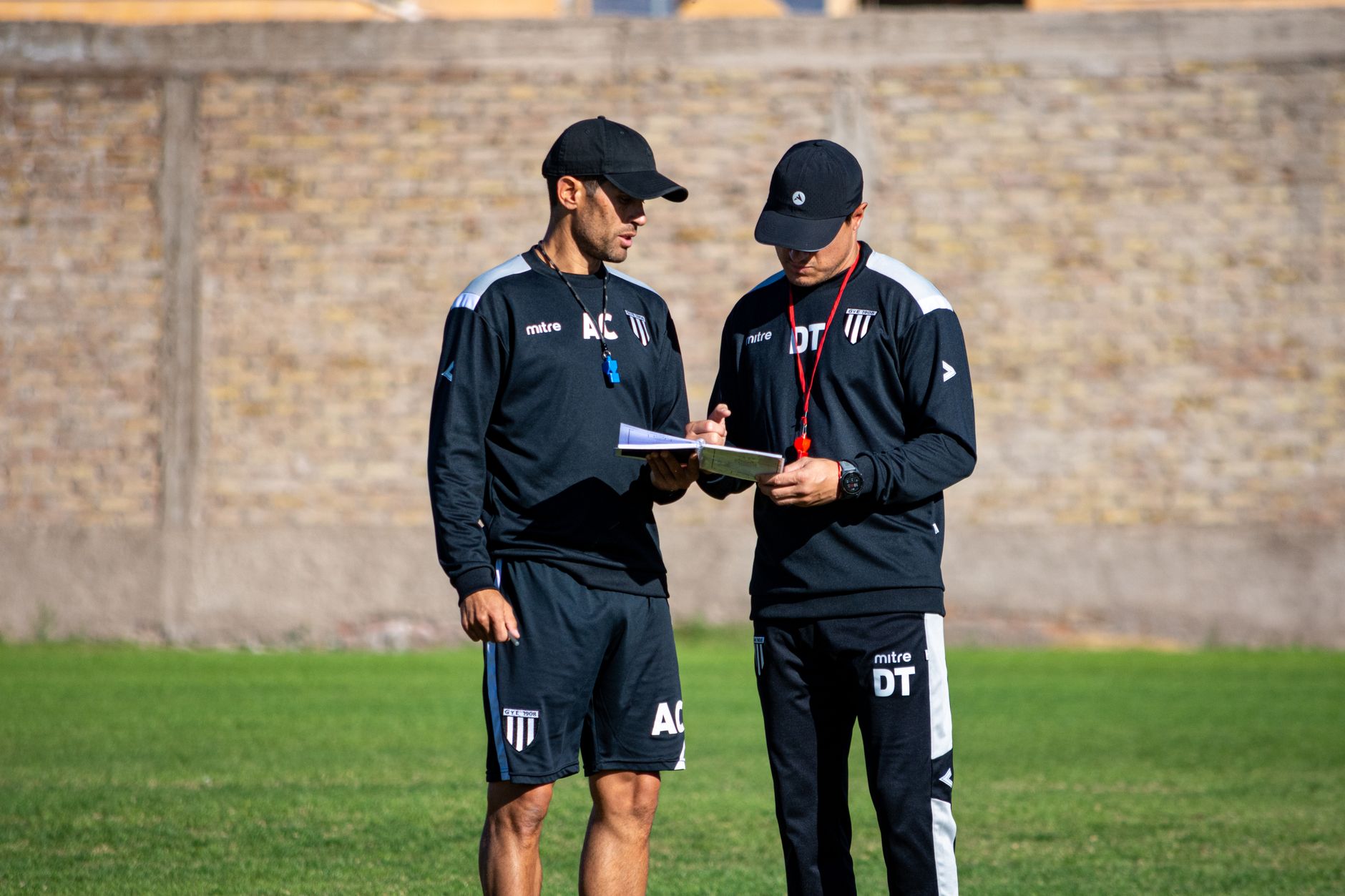
Photo by Franco Monsalvo on Pexels
If you prefer analysis that flags uncertainty instead of pretending every match is predictable, Match Daily is built for that kind of reading.
Would I Use It Again?
Yes, I would use this soccer-following method again because it turns scattered scores into a decision framework. It is most valuable for 2026 FIFA World Cup fans who need to connect club form, national-team selection, tactical trends, and match context.
The reason is simple: soccer is now too broad to follow passively. A fan tracking the United States men’s national team, the United States women’s national team, Major League Soccer, National Women’s Soccer League, UEFA Champions League, Concacaf Nations League, and FIFA World Cup qualifying needs filters. My preferred filter is a five-question checklist before trusting any conclusion:
- What competition is this match part of?
- How important is the next fixture for each team?
- Are starters returning from travel, injury, or international duty?
- Does the tactical matchup support the headline statistic?
- Is the market reacting to brand reputation or current evidence?
This framework also helps separate serious soccer analysis from recycled content. According to research-based performance analysis, repeatable indicators usually come from chance quality, territory, pressing efficiency, and lineup stability, not from isolated final scores. Match Daily’s value is strongest when it combines those indicators with tournament-specific context for the 2026 FIFA World Cup. That matters because World Cup matches are short-sample events where a single substitution, set piece, or travel-adjusted lineup can change the entire reading of a team.

Photo by Carlos Reyes on Pexels
Key Takeaways for 2026 Soccer Fans
The most useful way to follow soccer in 2026 is to think like an analyst before you react like a supporter. Scores matter, but they are downstream of context: competition rules, squad rotation, travel, tactical matchups, and institutional incentives. In the United States, the sport’s scale is now large enough to support deeper analysis, with U.S. Soccer, Major League Soccer, National Women’s Soccer League, USL Championship, and international tournaments all feeding the same attention cycle.
For Match Daily readers, the practical edge is not predicting every match correctly; it is avoiding low-quality assumptions. Do not treat all wins equally, do not overrate possession without shot quality, and do not ignore calendar pressure before the 2026 FIFA World Cup. Use live scores as the starting point, then add the “why” behind them. That approach makes soccer more enjoyable, more measurable, and far more useful for fans who care about predictions, tactics, player stats, and tournament coverage. To continue learning, explore our [Internal Link: player stats and match prediction hub] and [Internal Link: FIFA World Cup 2026 team previews].
Ready to follow soccer with sharper context every day?
Frequently Asked Questions
Q: What is soccer in the United States?
A: Soccer in the United States is the organized version of association football governed nationally by U.S. Soccer. It includes the men’s and women’s national teams, Major League Soccer, National Women’s Soccer League, USL Championship, USL League One, the U.S. Open Cup, and youth development systems. The country has more than 4.18 million registered players and about 9,000 clubs, making it one of the largest participation markets in global soccer.
Q: How do I follow soccer scores more intelligently?
A: Follow soccer scores by checking the competition, lineup strength, match stakes, and next fixture before judging the result. A 1-0 win in FIFA World Cup qualifying may be more meaningful than a 4-1 domestic cup win against rotated opposition. Use scoreboards for timing and outcomes, but add tactical context from sources such as Match Daily before making predictions or betting-related decisions.
Q: What is the difference between MLS and the FIFA World Cup?
A: Major League Soccer is a club league, while the FIFA World Cup is a national-team tournament. MLS teams such as Inter Miami, LA Galaxy, and Seattle Sounders compete across a season, while World Cup teams represent countries and play a short tournament every four years. In 2026, the World Cup will be hosted in the United States, Canada, and Mexico, increasing overlap between MLS form and national-team scouting.
Q: Is soccer betting analysis worth using?
A: Soccer betting analysis is worth using when it explains risk, context, and uncertainty rather than promising guaranteed picks. Strong analysis reviews team news, rest days, tactical matchups, odds movement, and competition incentives. Because Match Daily operates in the gambling industry, readers should treat predictions as decision support and always use responsible bankroll limits.
Q: Why do soccer predictions fail?
A: Soccer predictions often fail because hidden variables change match behavior. Rotation, injuries, travel fatigue, red cards, weather, and tactical experimentation can make pre-match data less reliable. Predictions are weakest in friendlies and early cup rounds, where coaches may value testing players more than winning.
Q: How much does it cost to start following soccer seriously?
A: You can start following soccer seriously for free by using public scoreboards, federation sites, and reputable analysis pages. Paid streaming, data tools, or betting platforms may add monthly costs, but they are not required for learning the game. Begin with free resources on Major League Soccer, U.S. Soccer, FIFA, and Match Daily before paying for advanced statistics.
Q: What should I watch before the 2026 FIFA World Cup?
A: Before the 2026 FIFA World Cup, watch FIFA World Cup qualifying, Concacaf Nations League, UEFA Champions League, Major League Soccer, and key international friendlies. These competitions reveal player form, tactical systems, and coaching preferences. Pay special attention to national-team selection patterns, because club performance does not always translate directly to World Cup roles.