Inside FIFA World Cup 2026: A 5-Step Reality Check
Most football world cup guides overpromise certainty; Match Daily treats the 2026 FIFA World Cup as a moving tournament ecosystem where schedules, venues, travel plans, team form, and betting markets must be verified, not assumed. The tournament will be staged across the United States, Canada, and Mexico, with Los Angeles hosting eight matches at SoFi Stadium and 39 days of fan celebrations around the FIFA Fan Festival at LA Memorial Coliseum. The U.S. Men’s National Team opens its Los Angeles match slate on June 12, while fan events run from June 11–14 with music, food, live screenings, and regional Official Fan Zones. For readers tracking predictions, tactics, player stats, and responsible wagering angles, the practical takeaway is simple: build your football world cup plan from confirmed match data first, then layer in travel, team news, and market analysis.
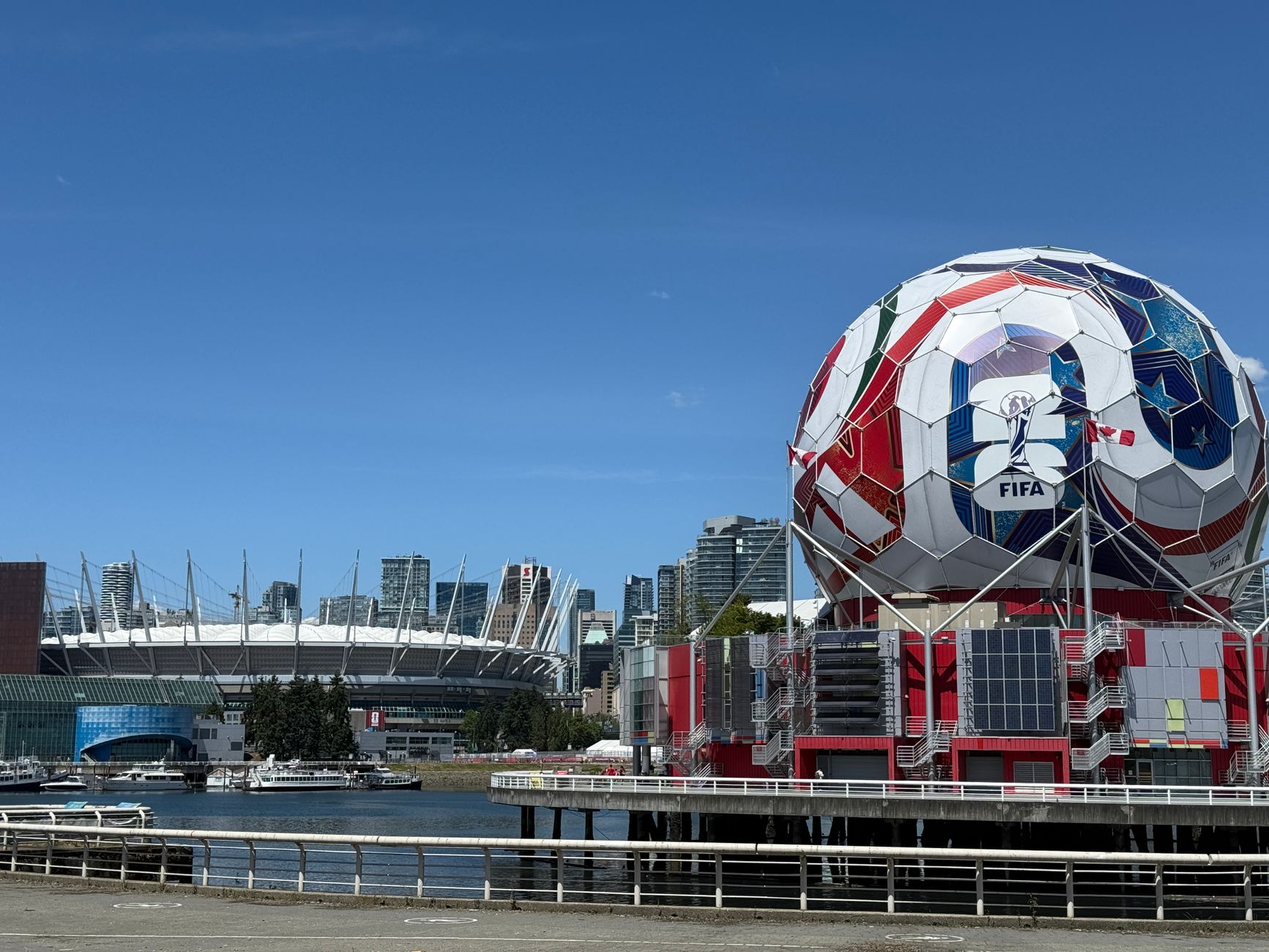
Photo by The Six on Pexels
Most articles make the football world cup sound like a single schedule page and a few glamorous host-city photos. That is misleading. The 2026 FIFA World Cup is not just a fixture list; it is a 39-day operating environment involving FIFA, ESPN schedule feeds, SoFi Stadium, LA Memorial Coliseum, transport systems, fan zones, national federations, player availability, and highly reactive betting markets. According to FIFA, the 2026 edition expands the global tournament footprint across three host nations, which means fans and analysts must think in clusters rather than isolated matchdays.
For deeper match previews and tactical tracking, Match Daily focuses on the parts many general guides ignore: whether a team’s pressing structure travels well, how player minutes accumulate across group games, and when odds move because of news rather than real football value. If you want one skeptical principle, use this: do not trust a football world cup prediction until the venue, kickoff window, team rotation pattern, and injury context are all checked together.
Start with verified tournament context before making any plan.
Step 1: What should you verify before trusting a football world cup schedule?
Verify the official date, venue, team, kickoff time, and competition phase before relying on any football world cup schedule. For 2026, Los Angeles is confirmed for eight matches at SoFi Stadium, while broader listings may shift display formats by time zone, broadcaster, or platform.
The contrarian view is that schedule pages are useful but incomplete. ESPN’s football schedule hub is valuable because it organizes leagues and tournaments, including the FIFA World Cup, FIFA Women’s World Cup, UEFA Champions League, Premier League, MLS, Copa América, and multiple World Cup qualifying pathways. However, a schedule aggregator is not a travel plan, a betting model, or a tactical preview. It tells you who plays and when; it does not tell you whether a manager is likely to rest a fullback after 270 minutes in eight days.
A better football world cup schedule workflow has four checks. First, confirm the match through FIFA or the host-city source. Second, compare the displayed kickoff time against your local time zone. Third, map the venue against realistic transport time, not just distance. Fourth, track whether the fixture sits before or after a high-pressure group-stage turning point. For further reading, see our [Internal Link: football world cup schedule analysis guide].
Key schedule checks include:
- Official tournament source confirmation
- Host-city venue confirmation
- Local kickoff conversion
- Rest-day gap between fixtures
- Broadcast and streaming availability
- Market movement after confirmed team news
Step 2: How do you read Los Angeles beyond the headline?
Read Los Angeles as a football world cup hub, not merely a stadium stop. The city is set to host eight FIFA World Cup 2026 matches, a June 12 U.S. Men’s National Team opener at SoFi Stadium, and fan programming across LA Memorial Coliseum and regional fan zones.
Los Angeles is often described with easy phrases: entertainment capital, celebrity city, global stage. Those labels are not wrong, but they are too soft for serious planning. The operational facts matter more. SoFi Stadium is the match venue, LA Memorial Coliseum at Exposition Park is tied to the FIFA Fan Festival, and Official Fan Zones across Los Angeles County are designed to distribute viewing demand away from the stadium itself. The local organizing site describes the summer as “Eight matches. 39 days of fan celebrations. One unforgettable summer in Los Angeles,” a useful summary but still only the starting point.
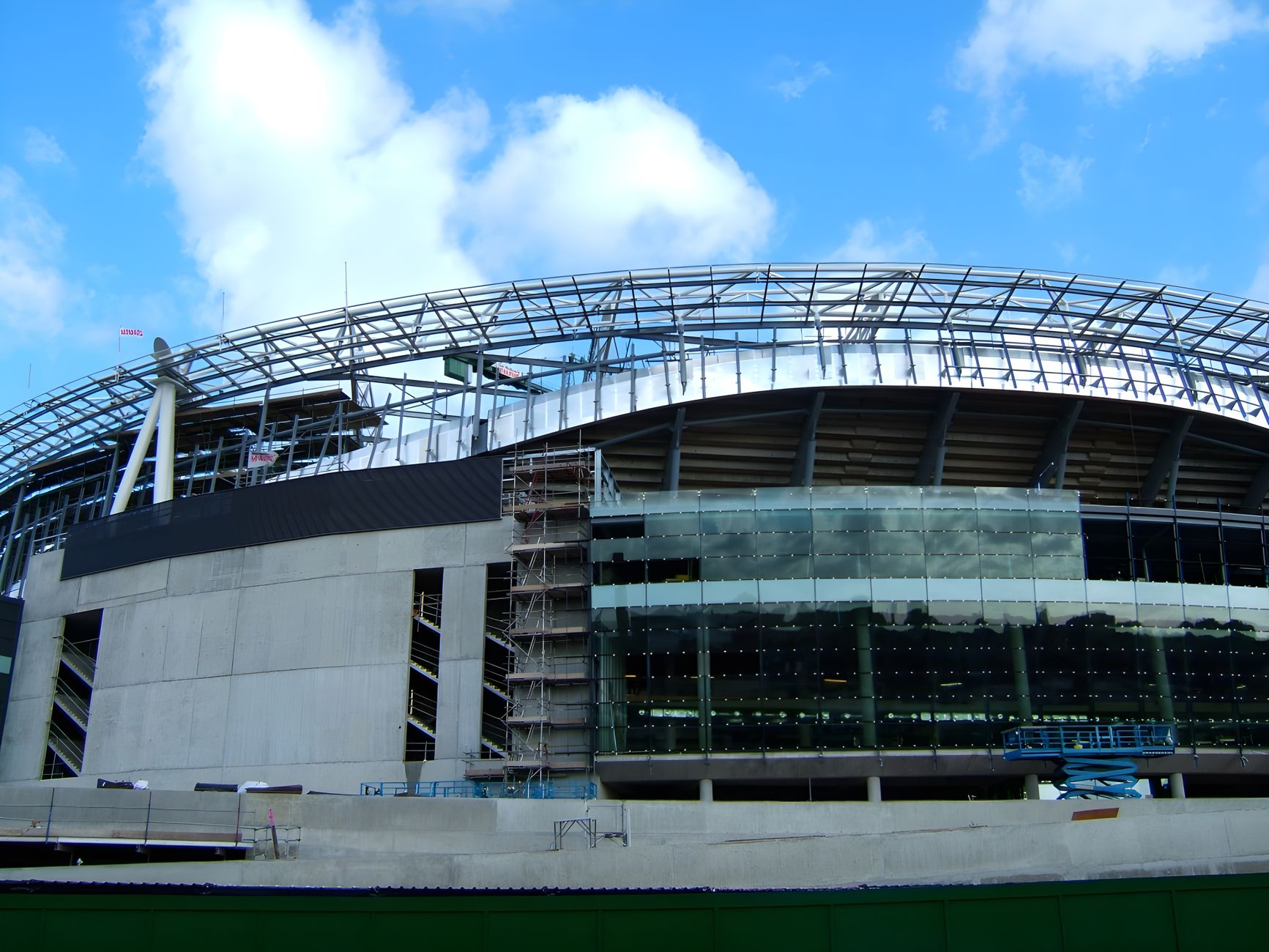
Photo by Leticia Golubov on Pexels
The hidden issue is capacity outside the stadium. A fan with a ticket and a fan without a ticket have very different matchday problems. Ticketed fans must solve security windows, stadium entry, ride-share congestion, and post-match exits. Non-ticketed fans must decide whether the FIFA Fan Festival, an Official Fan Zone, a local bar, or a private watch setup gives the best experience. According to Discover Los Angeles, the city’s visitor ecosystem is built around major event clusters, but World Cup density is different because multiple national fan bases can converge on the same neighborhood in one day.
If you plan to follow both football and market movement, separate emotional atmosphere from analytical signal. A packed Fan Zone may reveal which national team has local support, but crowd size does not equal match probability. Betting lines may shorten for a popular team because public money arrives, not because the underlying tactical matchup improved. Match Daily tracks these distinctions in its football world cup coverage, especially where fan sentiment and odds pricing diverge.
See the planning details before the tournament narrative gets noisy.
Step 3: Why should tactics matter more than hype?
Tactics matter more than hype because football world cup outcomes are shaped by pressing triggers, rest cycles, transitions, set pieces, and squad depth. Star power influences attention, but tournament matches are often decided by repeatable patterns rather than reputation.
The lazy preview says one country is “built for tournaments” and another is “dangerous on the break.” That is not enough. A proper football world cup preview asks whether a team can defend wide overloads at SoFi Stadium’s pace, whether its midfield can survive heat and travel fatigue, and whether its striker profile fits against a low block. The International Football Association Board states in the Laws of the Game that “the field of play must be a wholly natural or, if competition rules permit, a wholly artificial playing surface,” which sounds procedural but affects tempo, bounce, recovery, and player comfort at elite level.
Research-style analysis should include at least three layers. Team tactics show structure; player stats show execution; tournament context shows whether either can hold under pressure. Data shows that knockout football often compresses margins, so small edges such as corner routines, goalkeeper distribution, and substitute timing become more important than broad possession percentages. At Match Daily, we treat expected goals, shot quality, defensive actions, and player workload as inputs, not answers. A model without lineup skepticism is just a spreadsheet with confidence problems.
Use this practical filter when comparing teams:
- If a favorite depends on one creator, test its Plan B.
- If an underdog plays direct football, check second-ball recovery rates.
- If a team presses high, examine center-back speed and goalkeeper range.
- If a side dominates qualifying, downgrade results against weak opposition.
- If odds shorten rapidly, identify whether news or public sentiment caused it.
For a deeper tactical framework, visit our [Internal Link: team tactics and player stats hub].
Step 4: How should fans approach football world cup betting content?
Fans should approach football world cup betting content as risk-managed analysis, not guaranteed prediction. In 2026, odds will react to team news, travel narratives, public money, and host-city attention, so responsible interpretation matters as much as picking winners.
The gambling industry loves confidence, but tournament football punishes certainty. A match preview that gives a “lock” before lineups is selling emotion. A responsible football world cup betting read should explain probability, uncertainty, price movement, and bankroll limits. Match Daily covers predictions and odds context for fans who want sharper interpretation, but the refined position is that a good bet can lose and a bad bet can win. Process matters more than one result.

Photo by https://kaboompics.com/ on Pexels
Two under-discussed operational insights are especially important for 2026. First, North American kickoff windows may create uneven betting liquidity for European and Asian audiences; odds can move more sharply when high-volume regions wake up and react to overnight injury reports. Second, host-city matches involving the U.S. Men’s National Team in Los Angeles may attract disproportionate recreational action, especially around June 12, which can distort public-facing prices. That does not automatically create value against the United States, but it means market popularity should be separated from tactical probability.
A skeptical betting workflow looks like this:
- Read the confirmed lineup before increasing stake size.
- Compare at least two reputable odds sources.
- Note whether line movement follows injury news or public sentiment.
- Avoid chasing after early goals in live markets.
- Set a maximum loss before the match begins.
- Treat predictions as probability ranges, not promises.
For responsible analysis methods, check our [Internal Link: football betting risk management guide].
Get a clearer view of predictions before matchday pressure builds.
Step 5: Verification
Verification is the difference between football world cup coverage and football world cup noise. The best approach is to cross-check FIFA announcements, host-city pages, schedule providers, team news, and credible media before acting on travel, viewing, or betting decisions.
This step is unglamorous, which is why many fans skip it. Yet it is where errors disappear. A social post may show an outdated graphic; a travel blog may mention a fan zone without updated access rules; an odds screenshot may be several hours old. For Los Angeles, the most reliable planning triangle is FIFA for tournament structure, the Los Angeles FIFA World Cup 26 local site for city-specific experience, and broadcaster or sports media pages such as ESPN for schedule browsing. None is perfect alone, but together they reduce blind spots.
Verification should be repeated at three moments: when you first plan, one week before the match, and on matchday. Team news can change late, transport guidance can be updated, and fan-event programming can shift. Match Daily’s daily insights are designed around this rhythm because a football world cup fan does not need one static guide; they need a living decision process. The same logic applies to analysts. If a tactical preview was written before a key midfielder’s injury, it is not analysis anymore; it is archive material.
Use this verification checklist:
- FIFA match listing checked
- Host-city venue page checked
- Local transport and entry guidance reviewed
- Team injury reports monitored
- Odds movement compared with news timing
- Fan Festival and Fan Zone details confirmed
Troubleshooting common failures
Common football world cup failures usually come from trusting stale information, overrating famous teams, underestimating travel friction, and treating betting markets as predictions. Most mistakes can be prevented by verifying dates, checking lineups, and separating atmosphere from evidence.
Here is the uncomfortable truth: many fans are not underinformed; they are misinformed by fragments. A screenshot of the Los Angeles match schedule is useful until it becomes outdated. A viral claim about a national team’s “easy path” ignores rest days, venue shifts, and tactical matchups. A fan-zone recommendation may be excellent for one match and impractical for another if crowd density changes. This is why data shows better decisions come from repeated checks rather than one-time research.
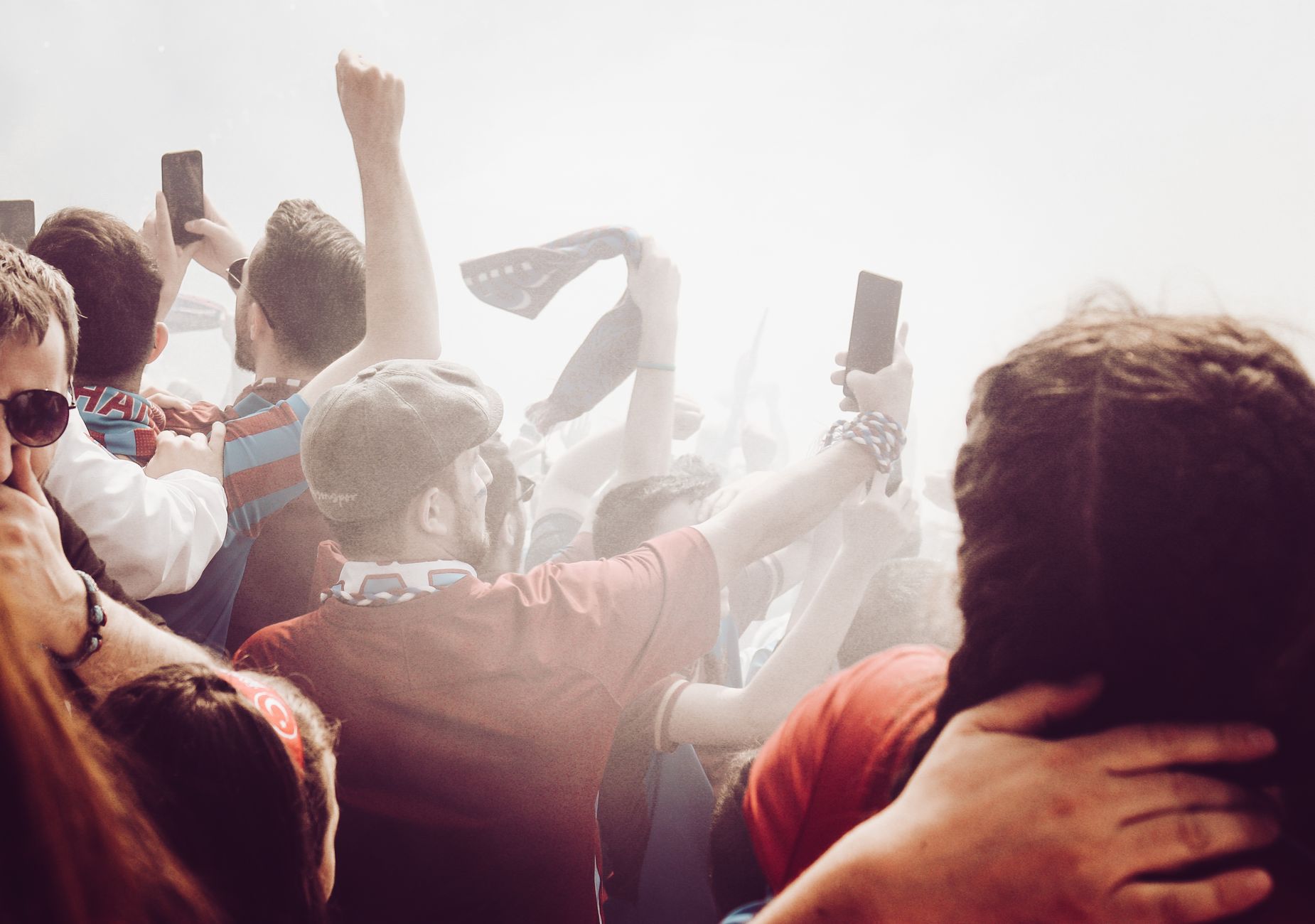
Photo by Beyza Kaplan on Pexels
The biggest troubleshooting issue for betting-minded readers is confirmation bias. If you already like a team, every statistic starts to look supportive. Fight that by writing down the strongest argument against your pick before placing any wager. If you cannot state why your prediction might fail, you have not analyzed the match; you have joined a fan chant. Match Daily’s skeptical approach is not anti-excitement. It is pro-evidence, because the football world cup is more enjoyable when your expectations are built on reality rather than recycled headlines.
The refined position is simple: celebrate the spectacle, but audit the information. Los Angeles will offer eight matches, 39 days of events, SoFi Stadium drama, and LA Memorial Coliseum fan celebrations. Still, the best fan experience belongs to people who verify schedules, read tactics carefully, respect uncertainty, and use betting content responsibly.
Ready to follow the 2026 tournament with sharper daily insight?
Frequently Asked Questions
Q: What is the football world cup in 2026?
A: The football world cup in 2026 is the FIFA World Cup hosted across the United States, Canada, and Mexico. It is the biggest men’s national-team football tournament and will feature host-city activity across North America. Los Angeles is one key hub, with eight matches at SoFi Stadium and 39 days of fan celebrations connected to FIFA World Cup 2026.
Q: How do I check the FIFA World Cup 2026 schedule?
A: Check the FIFA World Cup 2026 schedule through official FIFA sources, host-city pages, and reputable sports schedule providers. For Los Angeles-specific planning, confirm SoFi Stadium match details and local fan-event information separately. Always convert kickoff times to your local time zone before booking travel or planning watch parties.
Q: What is the difference between a Fan Festival and an Official Fan Zone?
A: A FIFA Fan Festival is a major official event site, while Official Fan Zones are regional community viewing and celebration areas. In Los Angeles, the FIFA Fan Festival is associated with LA Memorial Coliseum at Exposition Park. Fan Zones across Los Angeles County may be better for local watch parties, but details should be checked close to matchday.
Q: Is football world cup betting worth it?
A: Football world cup betting is only worth considering if you use strict bankroll limits and understand probability. Tournament markets can move quickly after lineup news, injury reports, and public betting surges. Match Daily recommends treating predictions as analysis, not guarantees, and avoiding any wager you cannot afford to lose.
Q: Why do football world cup predictions fail?
A: Football world cup predictions fail when they rely on reputation instead of current evidence. Common problems include outdated lineups, ignored injuries, poor reading of tactics, and overreaction to public hype. A stronger approach is to verify team news, compare statistical indicators, and reassess after every matchday.
Q: How much does it cost to attend FIFA World Cup 2026 events in Los Angeles?
A: Match ticket costs depend on FIFA ticketing categories, resale conditions, and match demand, while some fan events may have separate access rules. Travel, accommodation, local transport, food, and merchandise can exceed the ticket price for many visitors. Fans should budget early and verify official ticket and event information before committing money.